Boys And Girls Both Need To Learn How To Help
Why every child should learn the same core life skills at home
A dad's case for raising all children with the same expectation of contribution, competence, and practical life skills.
Boys And Girls Both Need To Learn How To Help
There are parenting messages we think we have moved past, but they still show up in subtle ways. One of them is the idea that some household skills matter more for girls, while some kinds of practical responsibility matter more for boys.
I don't buy that.
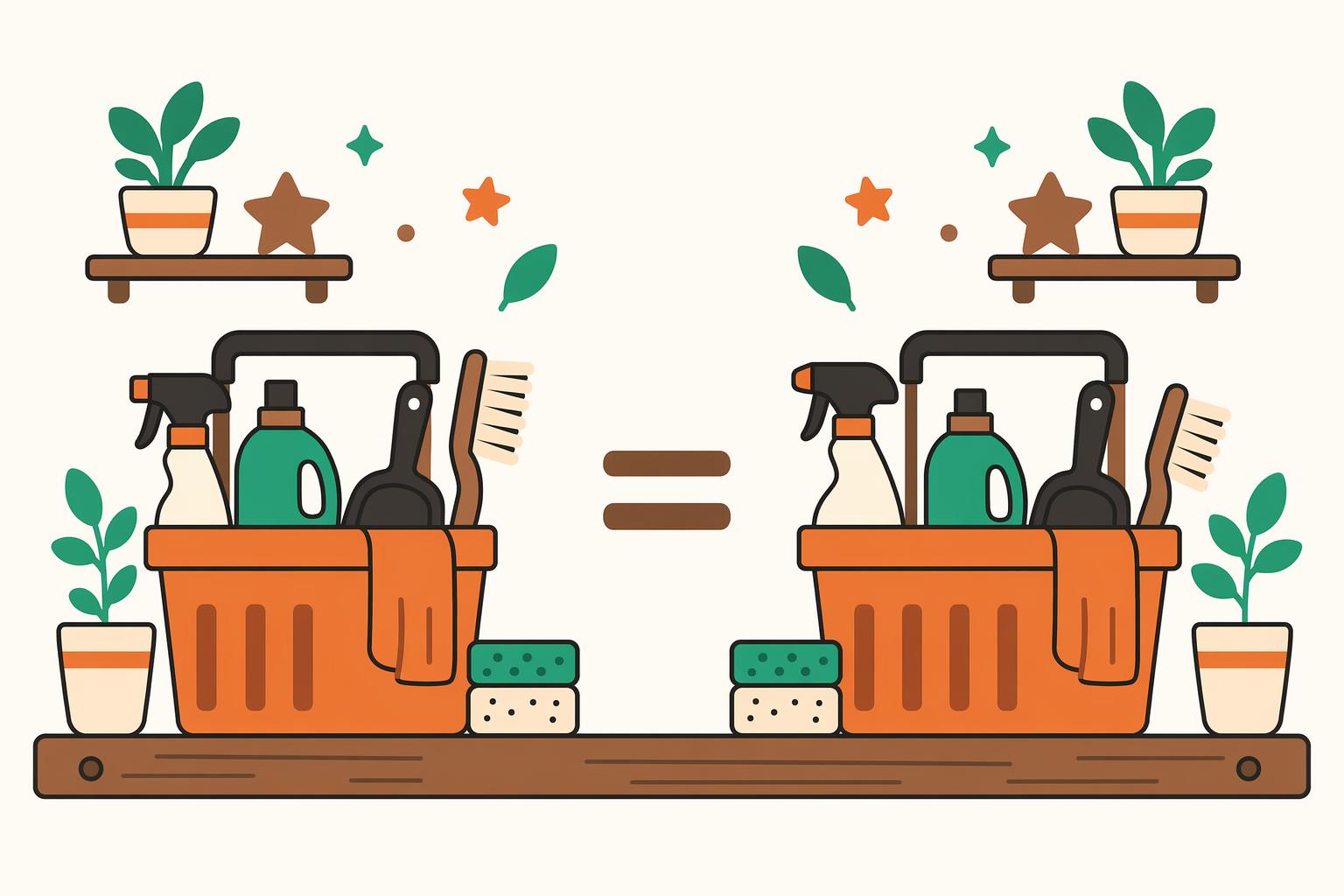
As a dad, I want all my children, sons and daughters, to know how to care for a home, notice what needs doing, and contribute without being catered to. That's not a gendered skill set. That is basic adulthood.
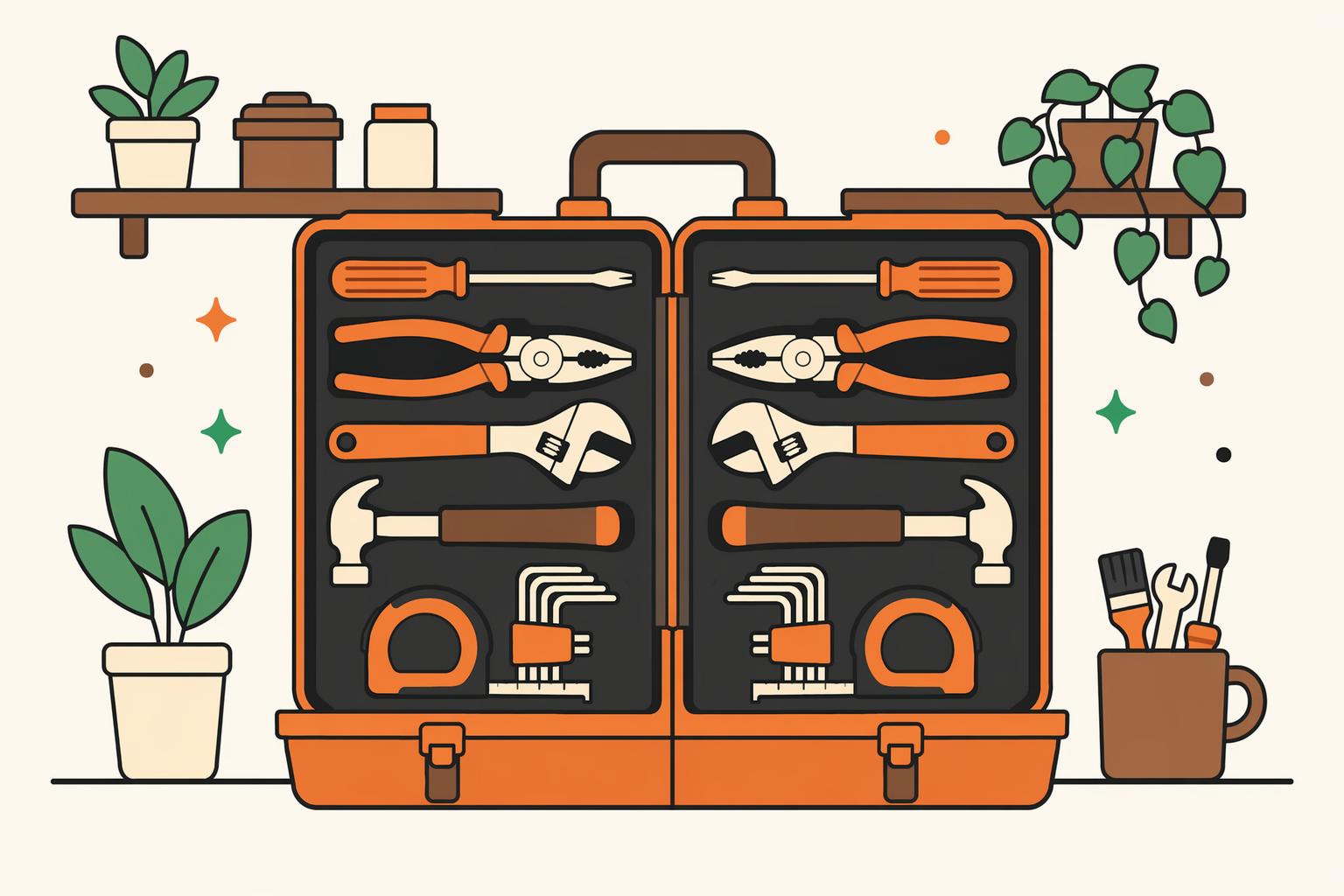
Every child should know how to clean up after themselves. Every child should know how to do laundry, wash dishes, handle trash, help with meals, keep a bathroom usable, and support the shared life of a household. These are not "girl chores" or "boy chores." They are life chores.
I feel strongly about this because the habits we normalize in childhood do not disappear later. Children absorb what we expect from them. If girls grow up being expected to notice and manage household needs while boys are praised for occasional participation, we are not just dividing chores. We are shaping future relationships.
That starts early.
If one child is expected to remember birthdays, plan ahead, tidy common spaces, and help with younger siblings while another child gets more freedom from those expectations, we are sending a message whether we mean to or not. We are teaching one child to carry more invisible labor and teaching another child that someone else probably will.
I don't want that for my kids.
I want my sons to grow up fully capable of caring for themselves and the people they live with. I want my daughters to grow up knowing that contribution is shared, not something they are quietly expected to absorb by default. I want all of them to understand that being a good family member means participating in the work of family life.
Little Kitchen Helpers
As an Amazon Associate KitQuest earns from qualifying purchases.
This does not mean every child gets the same task every time. Age, skill, and personality still matter. But the standard of contribution should apply to everyone.
I also think there is something powerful about children seeing both parents model this. When kids watch dads cook, clean, plan, and notice needs, and when they watch moms do the same without carrying it alone, they learn a healthier picture of what adulthood can look like. Chores are not just tasks. They are a culture.
And that culture teaches something about respect.
A child who learns to contribute at home is more likely to respect the work other people do. They are less likely to take service for granted. They are less likely to assume certain labor belongs to certain people. That is a valuable lesson in any era, and maybe especially in this one.
If you want a simple test, ask yourself this: if my child moved out tomorrow, would I be comfortable knowing they could function well without relying on someone else to manage the basics of life?
If the answer is no, That's not a cause for shame. It is a signal. There is more to teach.
Boys and girls both need to know how to help. Both need responsibility. Both need competence. Both need the dignity of being useful.
That's not old-fashioned. It is fair.
Sources
- Tepper, D. L., Howell, T. J., and Bennett, P. C. (2022). Executive functions and household chores: Does engagement in chores predict children's cognition? Australian Occupational Therapy Journal.
- Rossmann, M. M. (University of Minnesota). Involving children in household tasks: Is it worth the effort?
- Center on the Developing Child at Harvard University. InBrief: Executive function skills for life and learning.
Try KitQuest free
The family chore app behind these free resources: children earn points for chores, unlock achievements, and trade them for rewards you approve. Free for up to 2 children.
Get KitQuest free →