Why A Helpful Child Matters More Than A Perfect House
Why the goal of chores is raising helpful humans, not perfect rooms
A mom's reminder that the goal of chores is not spotless living, it is raising kids who contribute and care.
Why A Helpful Child Matters More Than A Perfect House
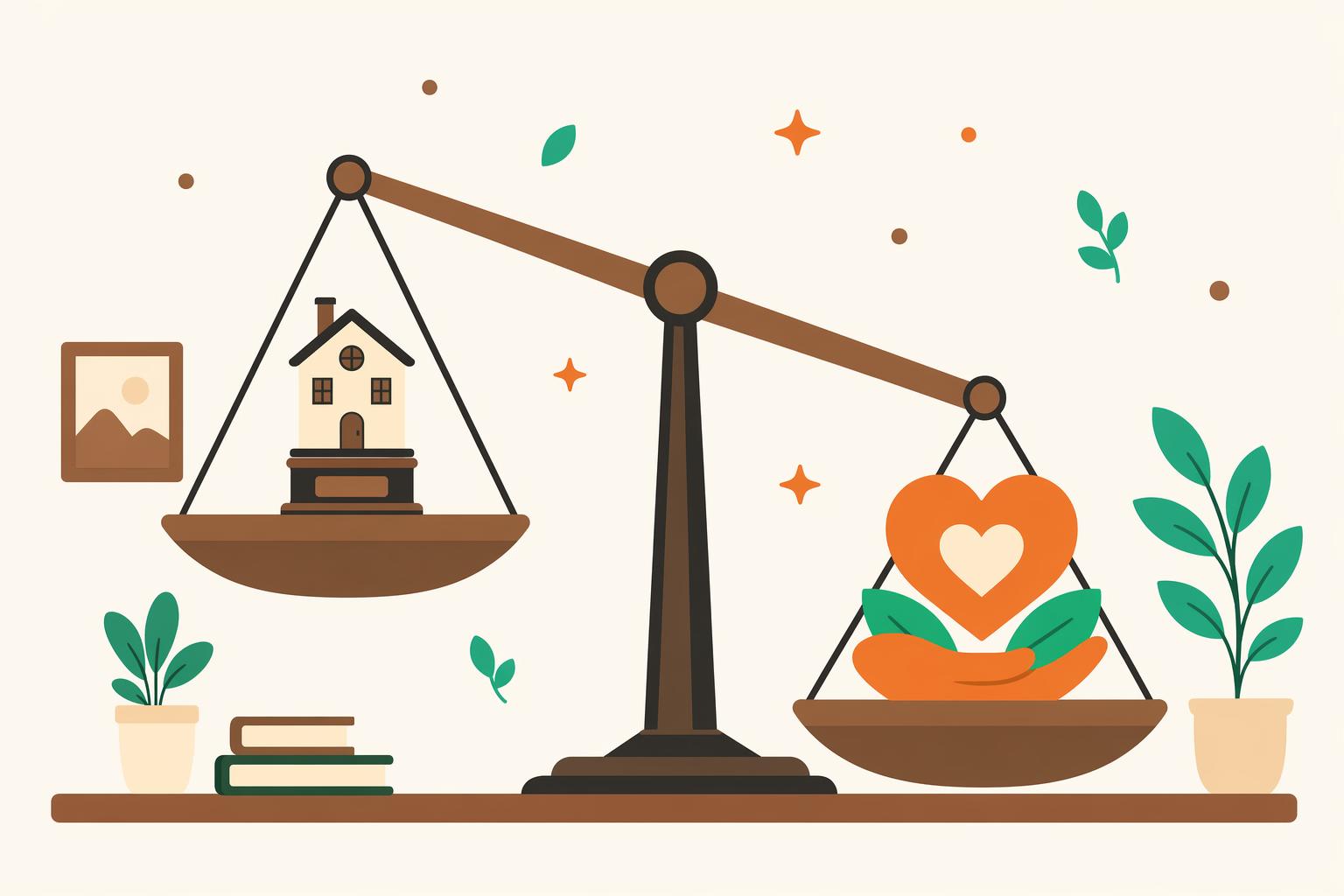
There are days when I have to remind myself what the goal actually is.
Because if I am not careful, chores can start to feel like a fight for visual order. I see the shoes by the door, the art supplies on the table, the towel on the floor, and suddenly my whole nervous system is focused on one thing: making the house look better right now.
Sometimes that is necessary. But it is not the deepest goal.
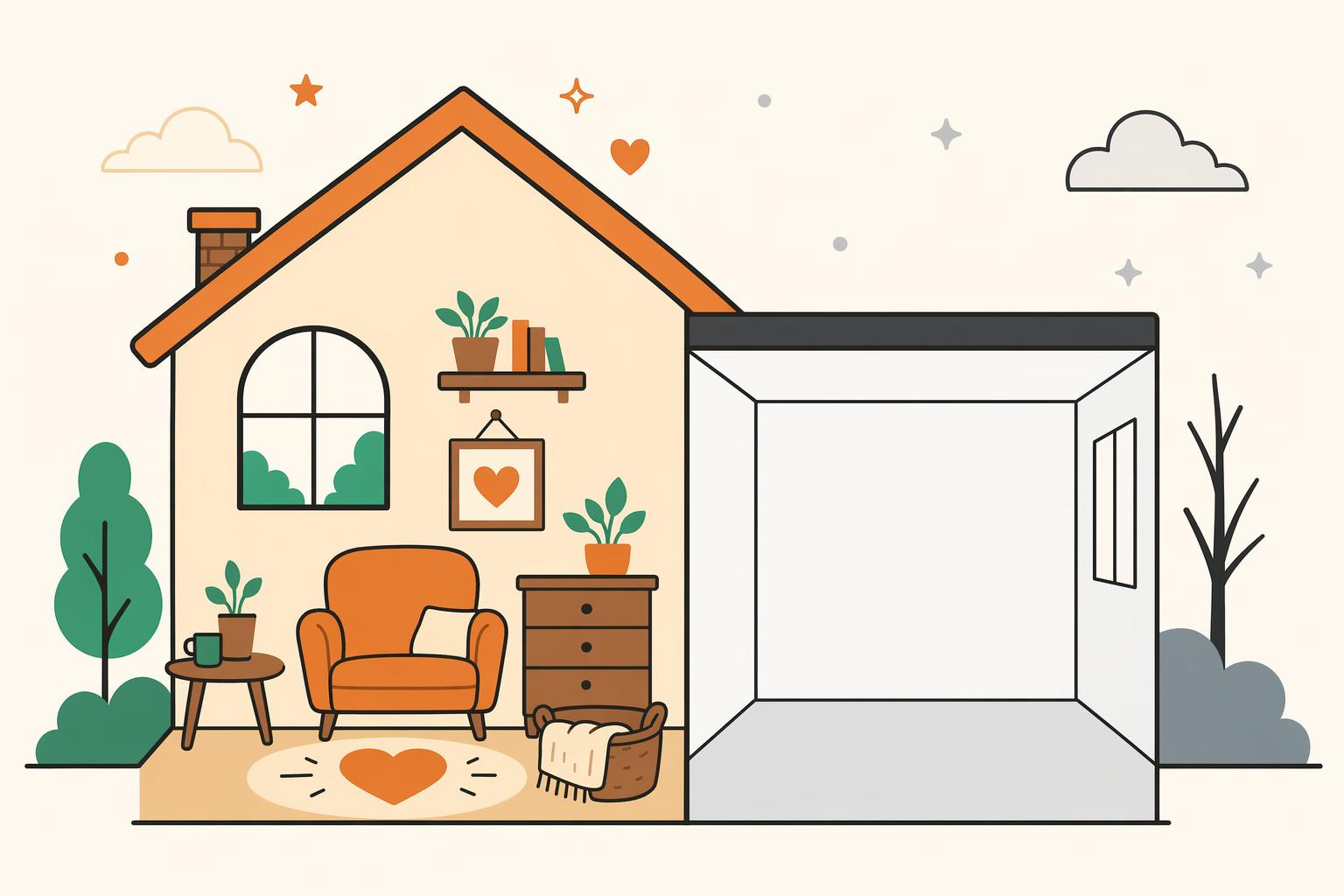
As a mom, I don't actually care most about raising children who can create a perfect house. I care about raising children who are willing to help, able to contribute, and aware that they are part of something bigger than themselves.
That is very different.
A child can live in a tidy environment and still grow up passive, entitled, or unaware of the labor that keeps life going. A helpful child, on the other hand, may still leave a sock under the couch now and then, but they are learning something far more important. They are learning to notice needs and respond.
That is what I want.
I want children who see a full trash can and do not assume someone else will deal with it. I want children who can participate in meal cleanup without acting personally victimized. I want children who understand that family life works best when people contribute, not when one exhausted adult manages every invisible detail alone.
A perfect house is not the point.
If it were, I would probably do more myself and let the kids stay out of the way. That is the irony. Children helping rarely creates immediate perfection. It often creates slower, messier, less efficient progress. But that is because we are training people, not chasing showroom results.
Hands-On Helper Tools
As an Amazon Associate KitQuest earns from qualifying purchases.
This perspective has helped me stay calmer. When a child folds towels unevenly or misses a few crumbs while sweeping, I try to remember that the bigger win is not the flawless result. The bigger win is that they are participating. They are practicing responsibility. They are becoming someone who helps.
That does not mean standards do not matter. I still correct things. I still reteach. I still want jobs done reasonably well. But I try not to lose the long game in pursuit of short-term neatness.
The long game is character.
The long game is raising a child who will someday walk into a shared space and ask, "What can I do?" instead of waiting to be served.
The long game is a teenager who can contribute meaningfully at home, and later an adult who can manage real life with competence.
When I keep that in mind, chores feel less like a battle over clutter and more like part of parenting itself. They become one of the ways we teach humility, initiative, endurance, and care.
And honestly, that helps me on the messy days.
Because there will be messy days. There will be piles, half-finished resets, and moments when it feels like everyone in the house forgot what a laundry basket is for. But if my children are learning to help, to notice, to try again, then something good is happening even when the house is not picture-perfect.
I would rather raise a helpful child in an imperfect home than a passive child in a spotless one.
Every time.
Sources
- Tepper, D. L., Howell, T. J., and Bennett, P. C. (2022). Executive functions and household chores: Does engagement in chores predict children's cognition? Australian Occupational Therapy Journal.
- Rossmann, M. M. (University of Minnesota). Involving children in household tasks: Is it worth the effort?
- Center on the Developing Child at Harvard University. InBrief: Executive function skills for life and learning.
Try KitQuest free
The family chore app behind these free resources: children earn points for chores, unlock achievements, and trade them for rewards you approve. Free for up to 2 children.
Get KitQuest free →