The Kids Who Help At Home Often Do Better With Roommates Later
How childhood chores prepare kids for college, roommates, and shared living
A mom's view on how childhood chores prepare kids for college, shared living, and adult relationships.
The Kids Who Help At Home Often Do Better With Roommates Later
One of the strangest things about parenting is how often the ordinary moments end up shaping the future in ways we don't see at the time.
A child putting dishes away does not feel connected to future college life. A teenager cleaning a bathroom does not look like training for adulthood. But I think it is.
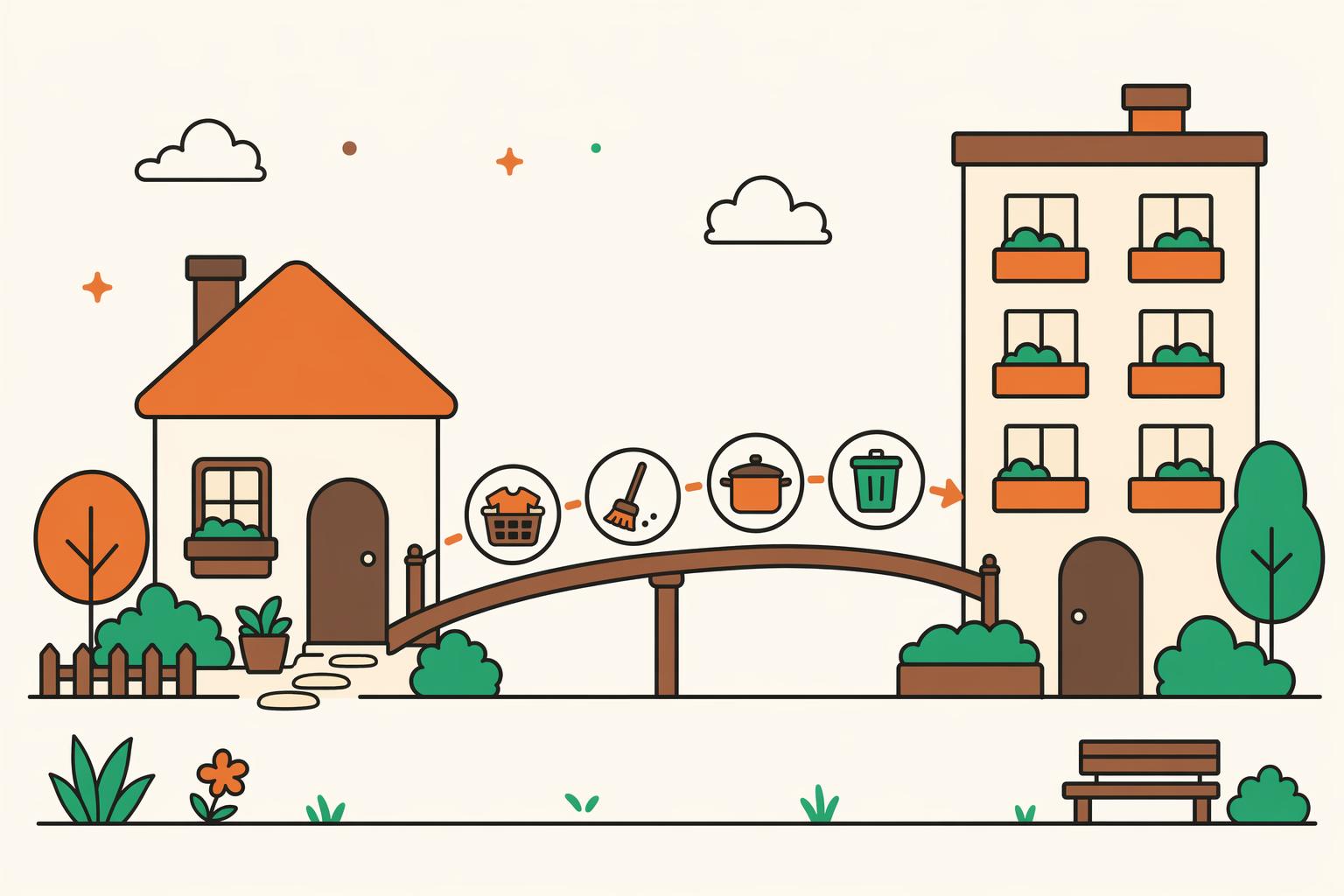
As a mom, I have started to see chores not just as family maintenance, but as preparation for shared living. And shared living is a huge part of adult life.
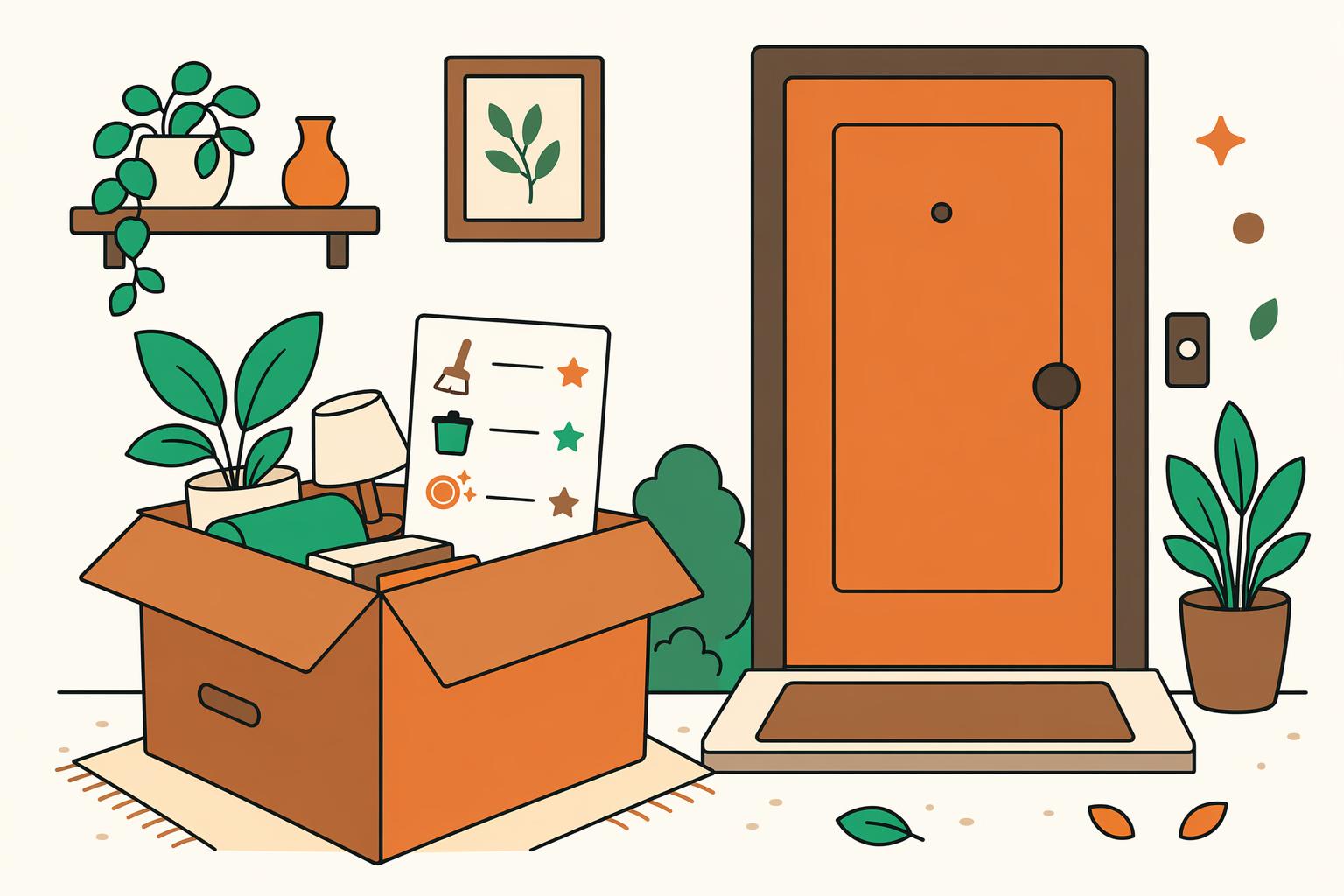
Whether our children eventually live with roommates, spouses, close friends, or family members, one truth will follow them: life with other people works better when everyone knows how to contribute.
The kids who help at home often do better later because they have already learned a few foundational things.
They know mess does not disappear on its own. They know groceries have to be bought, trash has to go out, bathrooms have to be cleaned, and dishes have to be dealt with by an actual human. That basic awareness sounds simple, but it is not universal.
They also tend to be more comfortable with routine maintenance. They do not see every task as an insult. They understand that the boring parts of life are still part of life. That is huge in shared spaces, where neglect creates friction fast.
Think about the kind of roommate everyone hopes for. Not someone perfect. Just someone who notices. Someone who replaces the toilet paper roll. Someone who does their dishes. Someone who does not assume shared spaces take care of themselves. Someone who understands that other people's time matters too.
That kind of awareness is not usually built in a dorm room. It starts earlier.
Chores also teach children to tolerate the reality that shared living requires mutual adjustment. You cannot only do what is convenient for you. You cannot leave every problem for someone else. You cannot act surprised that your habits affect other people. Those are all household lessons long before they are roommate lessons.
Laundry Day Helpers
As an Amazon Associate KitQuest earns from qualifying purchases.
I have seen young adults struggle not because they are lazy or selfish at heart, but because they were never really trained to think in terms of contribution. At home, someone always handled the background work. They never had to notice it. Then suddenly they are living with other people who are also tired, busy, and unwilling to play parent.
That transition can be rough.
This is another reason I think chores matter so much in the teen years. Teens are close enough to adulthood that the connection becomes obvious. If they cannot manage laundry, basic cleaning, meal prep, or keeping shared spaces respectful now, it is much kinder to teach them while they still live at home.
And this is not just about avoiding roommate conflict. It is about becoming a considerate person. Someone who recognizes that healthy shared life depends on participation, not entitlement.
I want my kids to leave our house able to care for themselves, yes. But I also want them to be the kind of adults other people can live with peacefully. That means more than independence. It means contribution.
So when I ask my kids to help around the house, part of me is thinking about today. I want the kitchen cleaner. I want the hallway less chaotic. But part of me is also thinking long-term.
I am thinking about the kind of adult they are becoming. The kind of roommate, spouse, friend, and community member they might someday be.
Chores are one of the places that future gets shaped.
Sources
- Tepper, D. L., Howell, T. J., and Bennett, P. C. (2022). Executive functions and household chores: Does engagement in chores predict children's cognition? Australian Occupational Therapy Journal.
- Rossmann, M. M. (University of Minnesota). Involving children in household tasks: Is it worth the effort?
- Center on the Developing Child at Harvard University. InBrief: Executive function skills for life and learning.
Try KitQuest free
The family chore app behind these free resources: children earn points for chores, unlock achievements, and trade them for rewards you approve. Free for up to 2 children.
Get KitQuest free →