Teens Need Chores Even More Than Little Kids
Why teen chores should become real life preparation, not symbolic practice
A mom's perspective on why teenage chores should shift from cute responsibility practice to real life preparation.
Teens Need Chores Even More Than Little Kids
We tend to think of chores as something for younger children. A sticker chart phase. A responsibility lesson in the early years. Something cute we introduce when kids are little and compliant enough to clap for themselves after wiping a table.
But I would argue that teenagers need chores even more than little kids do.
As a mom, I have become increasingly convinced that the teen years are when household responsibility needs to deepen, not fade out.
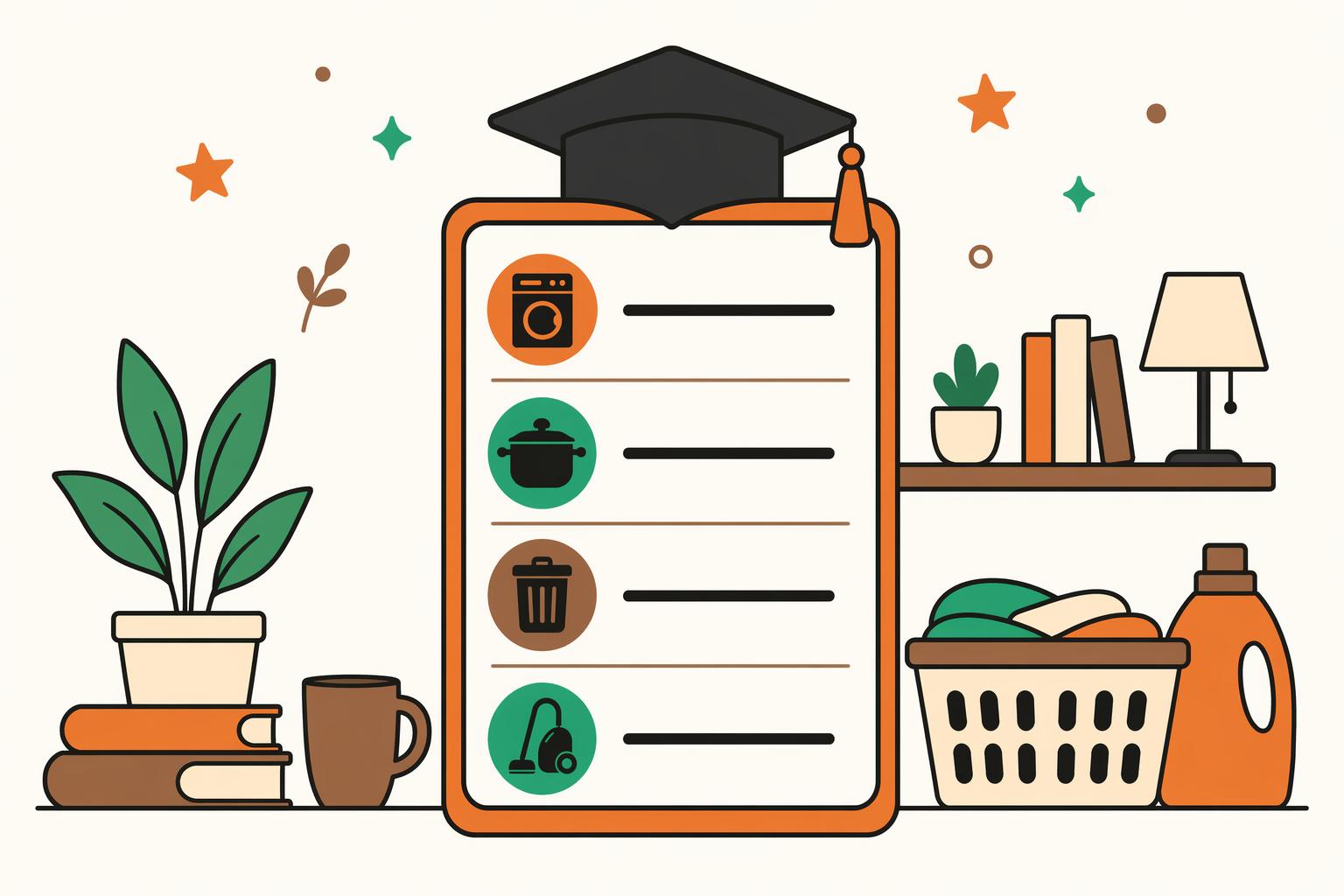
The reason is simple: little kids are practicing. Teens are preparing.
By adolescence, children are moving closer to adulthood whether we are emotionally ready for it or not. In a few short years, many of them will be managing dorm rooms, apartments, jobs, schedules, food, laundry, roommates, and a thousand details nobody will magically do for them. If a teenager is not regularly handling real tasks at home, we are missing one of the best training windows we have.
This is the age when chores should become more than symbolic.
A teen should know how to wash clothes from start to finish. They should know how to clean a bathroom, change sheets, take out trash, load and unload a dishwasher, prepare a few basic meals, and keep their own space functional without a parent acting as full-time manager. None of that is unreasonable. It is basic life readiness.
What worries me is how easy it is to excuse teenagers out of responsibility because they are busy. School is intense. Sports are demanding. Social life gets complicated. I understand all of that. But adulthood does not get less busy. In many ways, it gets more demanding. Learning how to carry responsibilities alongside other commitments is exactly what teens need to practice.
I am not suggesting parents overwhelm them. A teenager's schedule should be taken seriously. But serious schedules are not a reason to live like a hotel guest in someone else's house. They are a reason to learn how to manage time better.
Laundry Day Helpers
As an Amazon Associate KitQuest earns from qualifying purchases.
There is another reason teen chores matter: they shape identity. A teenager who regularly contributes at home starts to see themselves as capable, not dependent. They stop being someone who is managed and start becoming someone who manages. That shift is incredibly important.
Teen chores also reveal skill gaps that are easier to address now than later. If your teenager has no idea how to organize a task, follow a cleaning routine, or notice basic household needs, better to discover that while you are still there to teach them. Waiting until they are out on their own is not kinder. It is riskier.
And yes, teens will complain. Some will act like loading a dishwasher is a human rights issue. Stay calm. The resistance does not mean the expectation is wrong. It often means the expectation is landing exactly where growth is needed.
What I try to remember is that my job is not to raise a teenager who is comfortable in my house forever. My job is to raise an adult who can function well in their own life. Chores are one of the places where that future adulthood gets practiced in real time.
So if you have a teen, do not scale the expectations down to avoid conflict. Scale the support up if needed, but keep the responsibility real. Teach the skill. Repeat the routine. Expect contribution.
Little kids doing chores is adorable. Teenagers doing chores is essential.
Sources
- Tepper, D. L., Howell, T. J., and Bennett, P. C. (2022). Executive functions and household chores: Does engagement in chores predict children's cognition? Australian Occupational Therapy Journal.
- Rossmann, M. M. (University of Minnesota). Involving children in household tasks: Is it worth the effort?
- Center on the Developing Child at Harvard University. InBrief: Executive function skills for life and learning.
Try KitQuest free
The family chore app behind these free resources: children earn points for chores, unlock achievements, and trade them for rewards you approve. Free for up to 2 children.
Get KitQuest free →