Why Kids Need Responsibility Before They Feel Ready
Why children grow into responsibility by practicing it before they feel ready
A dad's perspective on why waiting for kids to feel ready often delays growth instead of supporting it.
Why Kids Need Responsibility Before They Feel Ready
There is a parenting instinct that sounds loving on the surface but can quietly hold kids back. It goes like this: "I will ask more of them when they are ready."
I understand the instinct. I feel it too. As a dad, I don't want to overwhelm my kids or set them up to fail. But I have learned that kids often become ready by doing the thing, not before it.
That is especially true with responsibility.
If we wait for children to naturally volunteer for hard, boring, or inconvenient tasks, we may be waiting until they are thirty. Readiness is not usually a feeling that arrives in advance like a pleasant calendar reminder. More often, readiness develops through practice.
Think about how many things kids learn this way. They are not ready to ride a bike until they wobble through it. They are not ready to read until they struggle through sounding things out. They are not ready to sleep away from home until they try it. Why would chores and responsibility be any different?
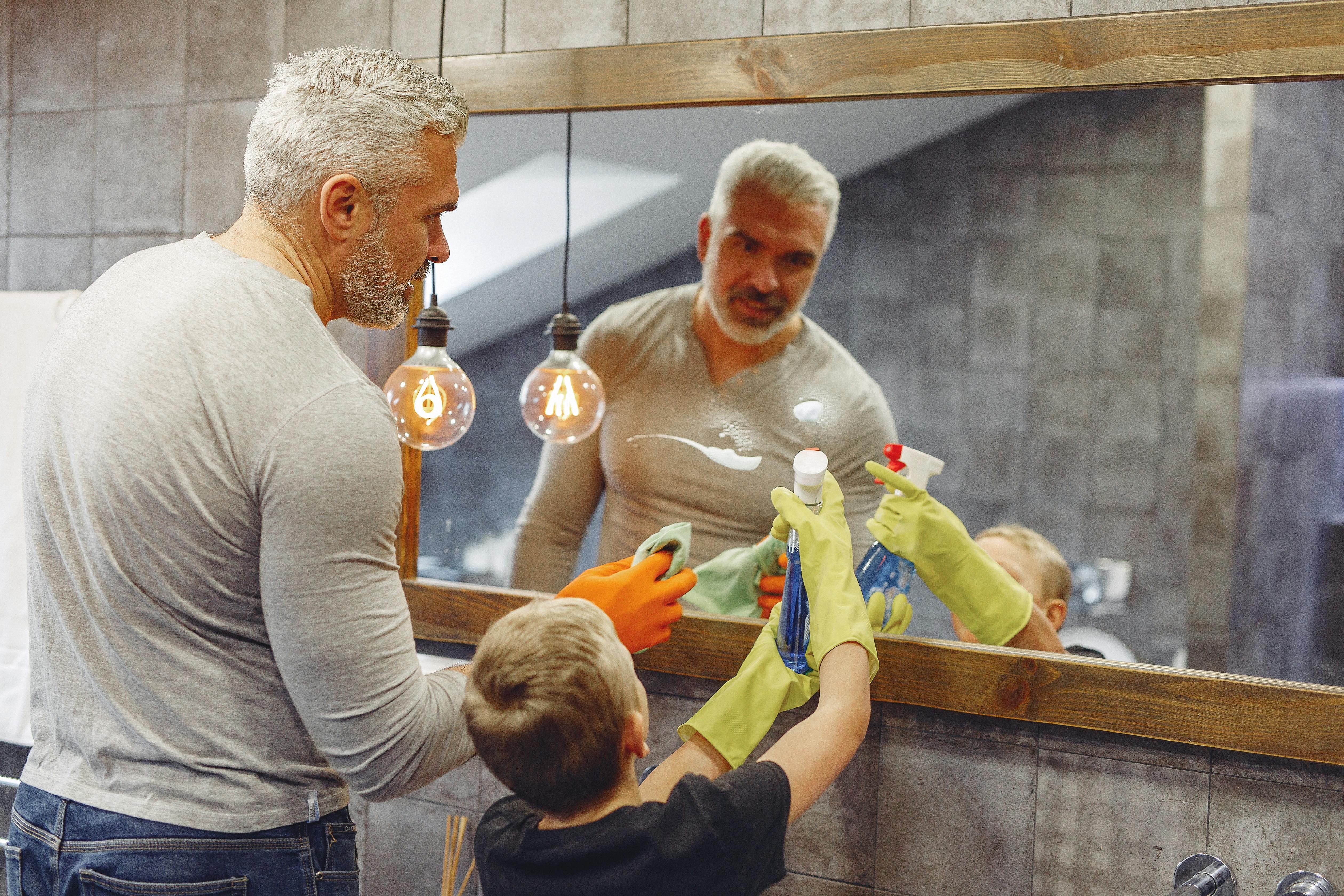
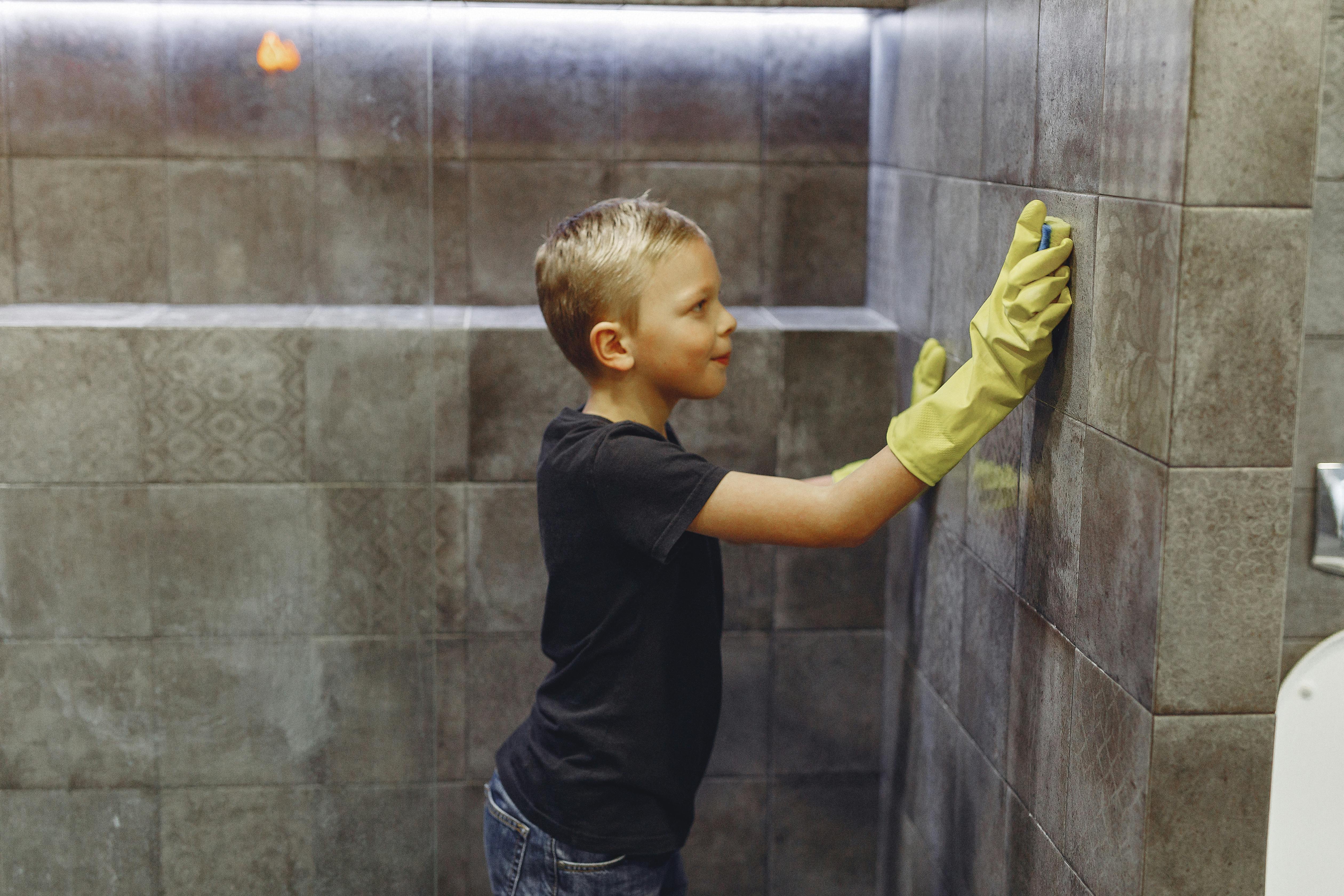
When we give children age-appropriate chores, we are not testing whether they already know how to handle responsibility perfectly. We are training them to grow into it.
That means some discomfort is normal.
A child who says, "I don't know how" may genuinely need help. Or they may simply be unfamiliar. A child who says, "This is too hard" may need the task broken down. Or they may just be bumping into effort. The answer is not always to remove the responsibility. Often the better answer is to coach them through it.
I have seen this so many times with my own kids. A task that seemed impossible in week one became routine by week four. Not because they magically changed overnight, but because repetition built competence.
Parenting Bookshelf
As an Amazon Associate KitQuest earns from qualifying purchases.
This matters because life keeps asking more of our children as they grow. School asks for organization. Friendships ask for consideration. Work asks for discipline. Adulthood asks for all of it at once. If our kids never practice carrying responsibility when the stakes are low, they will feel much more overwhelmed when the stakes are high.
There is also something deeply affirming about being trusted with a real task. Even if a child resists at first, responsibility communicates respect. It says, "I believe you can learn this. I am not writing you off as helpless." That message can be incredibly powerful.
Of course, this does not mean dumping adult expectations on young children. The task has to fit the child. The support has to be there. Training matters. But I do think many parents underestimate what children can handle when we stop over-explaining, over-rescuing, and over-accommodating every complaint.
One phrase I come back to a lot is this: discomfort is not danger. A child being annoyed by a chore is not the same as a child being harmed by it. A child feeling stretched by responsibility is not the same as a child being crushed by it.
Growth usually feels like effort first.
So if your child does not feel ready to clear the table, feed the dog, sort laundry, or keep track of a daily task, that may not be a sign to back off. It may be a sign that you are right on time. Give them support. Give them clarity. Give them repetition.
Then let the task do its work.
Responsibility is one of the ways children grow into themselves. If we wait too long to hand it over, we often delay the very maturity we hope to see.
Sources
- Tepper, D. L., Howell, T. J., and Bennett, P. C. (2022). Executive functions and household chores: Does engagement in chores predict children's cognition? Australian Occupational Therapy Journal.
- Rossmann, M. M. (University of Minnesota). Involving children in household tasks: Is it worth the effort?
- Center on the Developing Child at Harvard University. InBrief: Executive function skills for life and learning.
Try KitQuest free
The family chore app behind these free resources: children earn points for chores, unlock achievements, and trade them for rewards you approve. Free for up to 2 children.
Get KitQuest free →