How Chores Strengthen Executive Function
How everyday chores strengthen planning, memory, sequencing, and follow-through
A dad's look at how chores help kids practice planning, memory, sequencing, and follow-through.
How Chores Strengthen Executive Function
Executive function sounds like one of those terms parents hear in school meetings and then nod about while secretly wondering what it means in real life.
In plain language, executive function is the set of mental skills that helps children plan, remember, organize, start tasks, shift attention, and finish what they start. It is a big deal. It affects school, routines, emotional regulation, and eventually adult life.
And one of the best places kids get to practice it is not a workbook or a classroom. It is home.
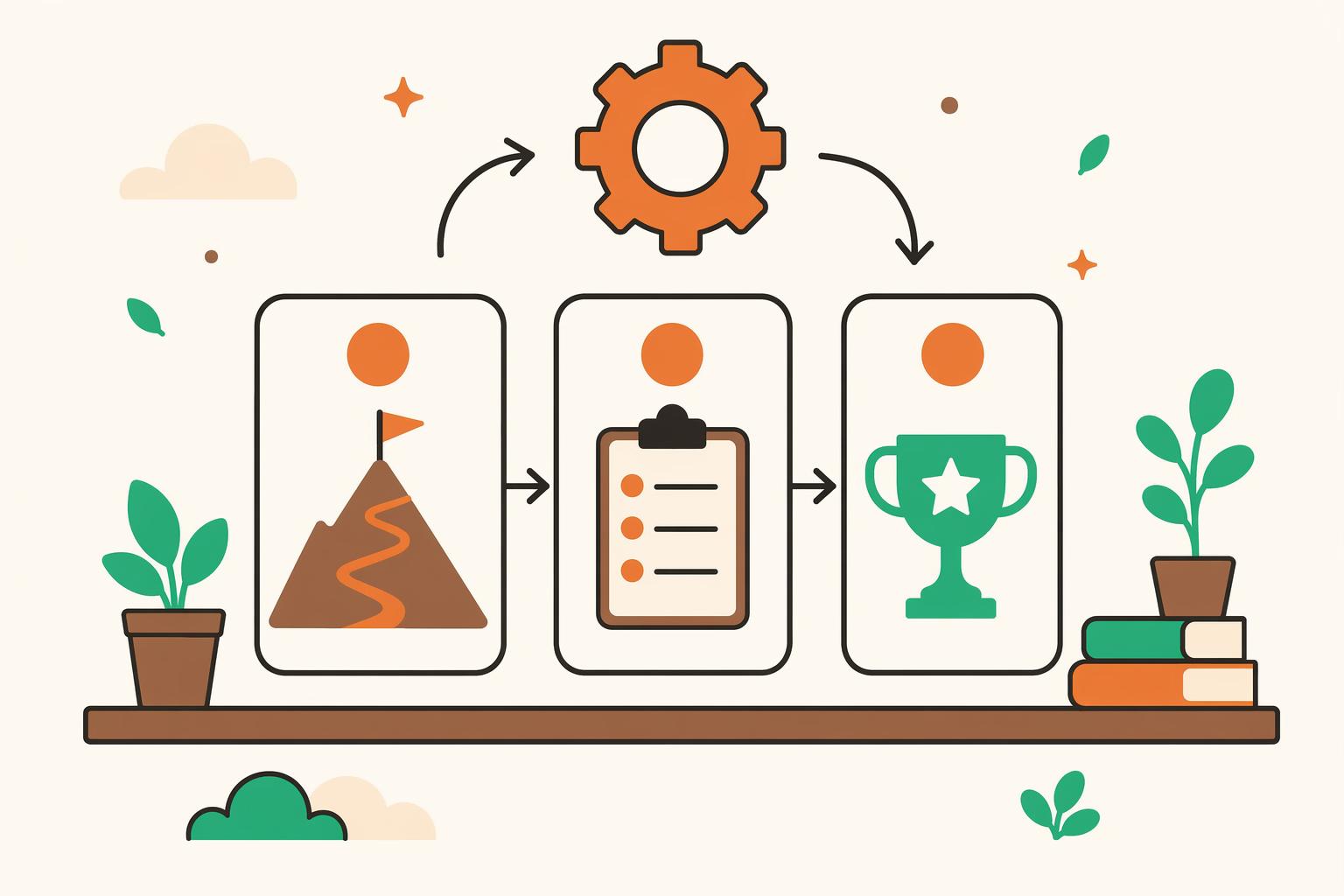
Chores are full of executive function demands.
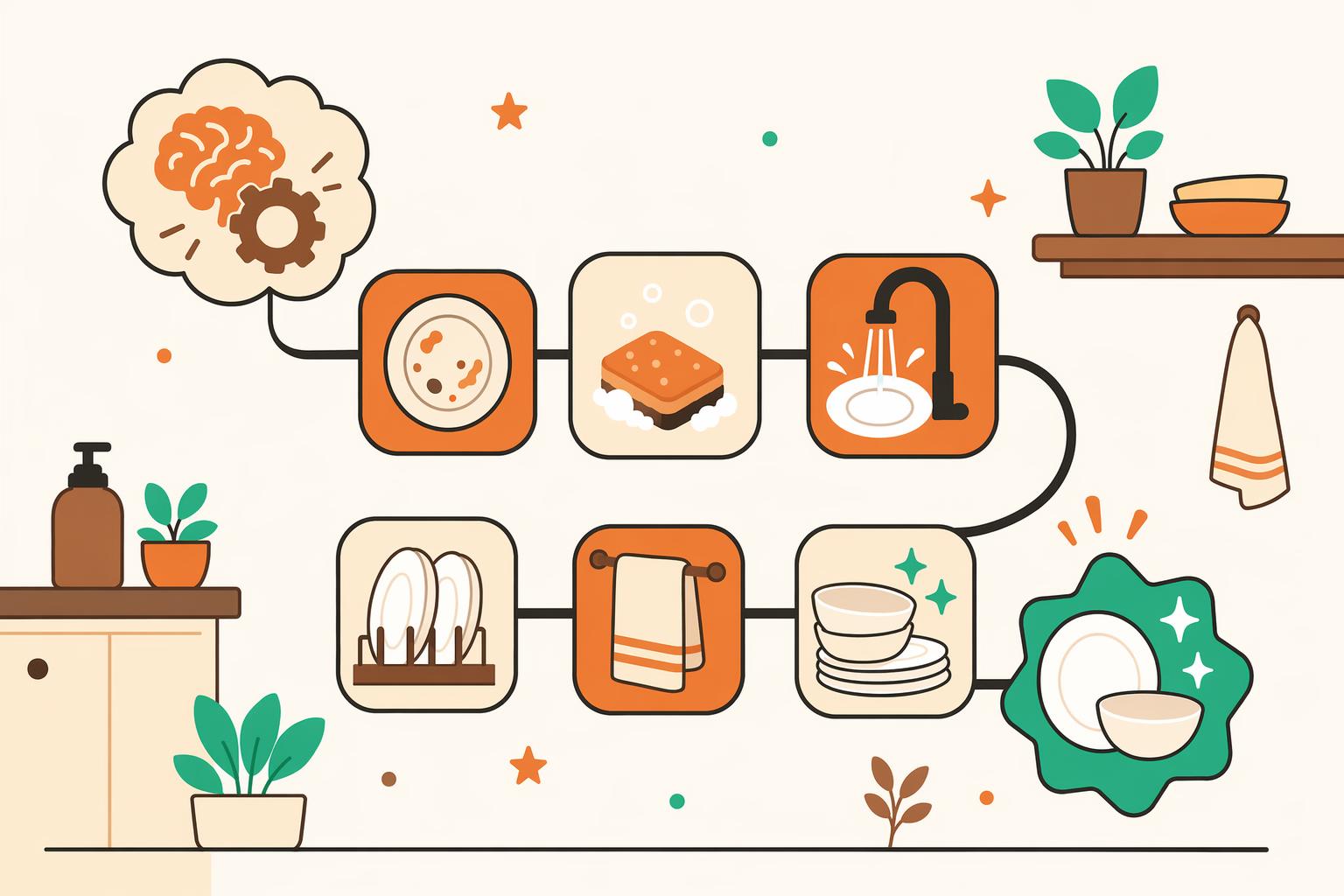
Take something simple like unloading the dishwasher. A child has to remember the task, begin without endless delay, sort items correctly, move through steps in order, stay with the task long enough to finish, and sometimes correct mistakes. That is a lot of useful brain work packed into one ordinary activity.
As a dad, I have come to appreciate chores less as a cleaning tool and more as cognitive training with a practical result.
Making a bed takes sequencing. Laundry takes sorting. Packing a backpack takes planning and working memory. Cleaning a room takes categorizing and decision-making. Even something as small as putting shoes in the same place every day builds a routine pattern that supports organization.
This matters because many of the struggles we call laziness in kids are actually skill gaps. A child may not be refusing a chore so much as getting lost in a vague instruction. "Clean your room" is a heavy executive function task. It requires planning, prioritizing, attention control, and persistence. For some children, especially those who are younger or more distractible, that request is genuinely enormous.
The good news is that chores can help build those skills over time, especially when parents break tasks into manageable pieces.
Visual Supports for Every Kind of Brain
As an Amazon Associate KitQuest earns from qualifying purchases.
Instead of saying, "Clean the whole room," say, "Start with clothes in the hamper, then books on the shelf, then toys in the bin." That kind of scaffolding does two things. It makes the task more doable in the moment, and it teaches the child how to think through tasks in sequence.
Visual supports can help too. Checklists, labeled bins, recurring routines, and simple systems reduce the amount of mental energy required to get started. Over time, those supports can be removed as the child builds more internal structure.
I also think repetition matters more than intensity. A child does not develop executive function because of one big cleanup day. They develop it through repeated practice with everyday tasks. Daily and weekly chores offer exactly that.
Now, this is also where compassion matters. Some kids have a harder road with executive function than others. They may need more structure, more reminders, and more patience. That does not mean chores are a bad fit for them. It often means chores are even more valuable, as long as the expectations are realistic and the supports are thoughtful.
What I don't want is for parents to assume that difficulty means incapability. Children can grow tremendously in this area when we give them chances to practice.
In the long run, strong executive function supports almost every part of life. It helps kids manage school. It helps teens manage jobs and schedules. It helps adults manage homes, work, and relationships. If chores help strengthen those underlying skills, and I believe they do, then they are doing far more than helping keep the house in shape.
They are helping children build the mental habits that make independent life possible.
Sources
- Tepper, D. L., Howell, T. J., and Bennett, P. C. (2022). Executive functions and household chores: Does engagement in chores predict children's cognition? Australian Occupational Therapy Journal.
- Rossmann, M. M. (University of Minnesota). Involving children in household tasks: Is it worth the effort?
- Center on the Developing Child at Harvard University. InBrief: Executive function skills for life and learning.
Try KitQuest free
The family chore app behind these free resources: children earn points for chores, unlock achievements, and trade them for rewards you approve. Free for up to 2 children.
Get KitQuest free →