
The Best Family Routines Start With Small Chores
Why tiny repeated tasks do more for family calm than occasional big resets
A mom's perspective on how tiny repeated chores can calm family life more than big dramatic resets ever do.
The Best Family Routines Start With Small Chores
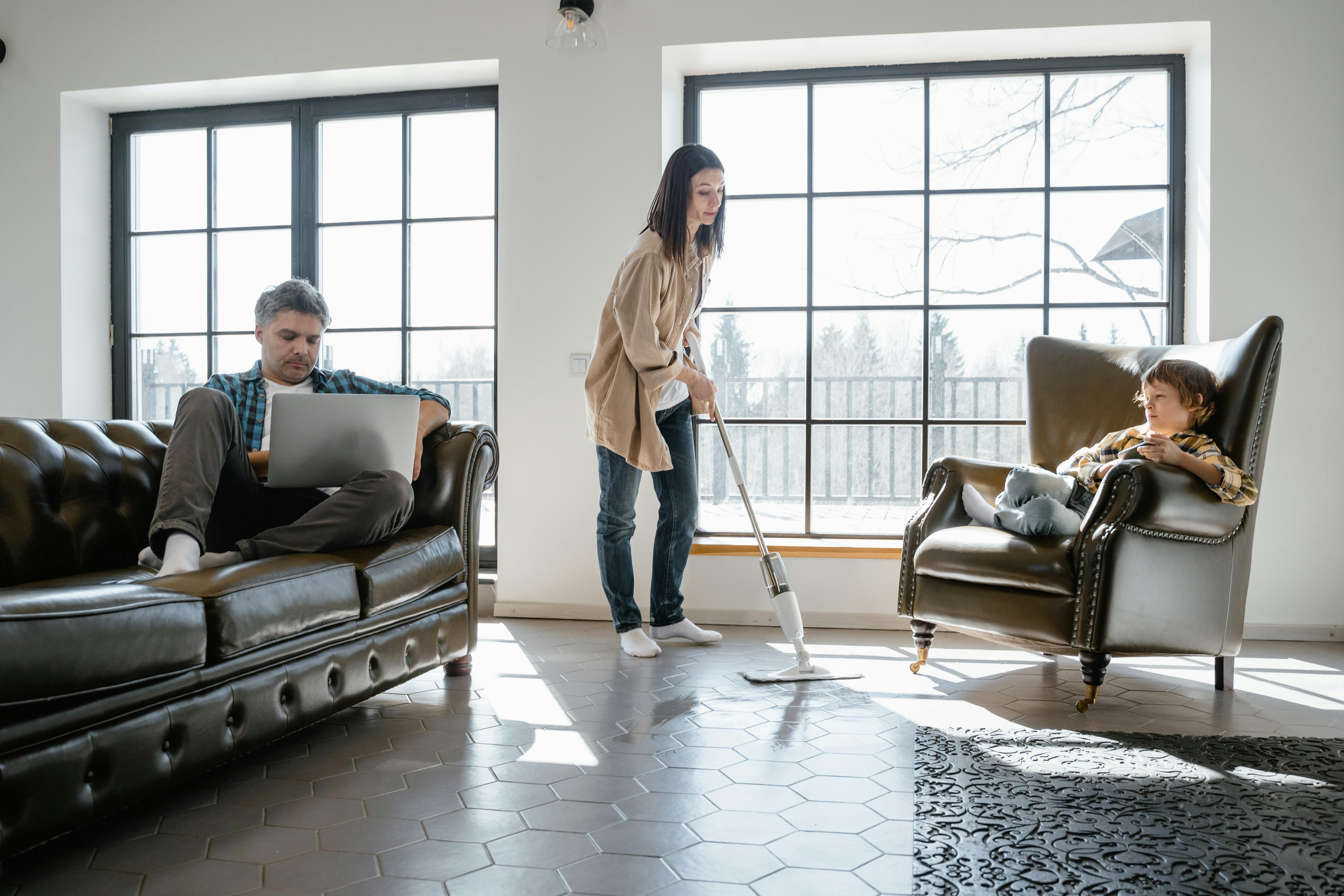
Our normal routine was to let the mess build up. Daily schedules and already existing commitments made it easy to push everything to the weekend. By the time Saturday morning rolled around there was a lot to tackle, and it was exhausting. We started to resent the weekends for it. After a long week at work, the last thing you want is to spend your only free morning digging out from the week.
We decided a new routine was needed. Instead of saving everything for one big reset, we started breaking tasks down into smaller ones. The difference was noticeable pretty quickly. Asking someone to "Clean the Kitchen" is vague and heavy. But "Wash the dishes" or "Wipe the counters" is a 5 to 10 minute job. Those feel doable. And when something feels doable, it actually gets done.
Over time the smaller tasks started to add up in ways we didn't expect. Everyone had a clearer sense of what was theirs to do. Finishing something specific felt like real progress, not just a dent in a list that never ends. And for the kids especially, knocking out a short focused task built something that vague big chores never really did, the habit of starting something and actually seeing it through. The Center on the Developing Child at Harvard University describes these skills as "executive function and self-regulation" and notes that children aren't born with them: they develop through repeated practice and consistent environments. Small chores, done regularly, are exactly that kind of practice.[^1]
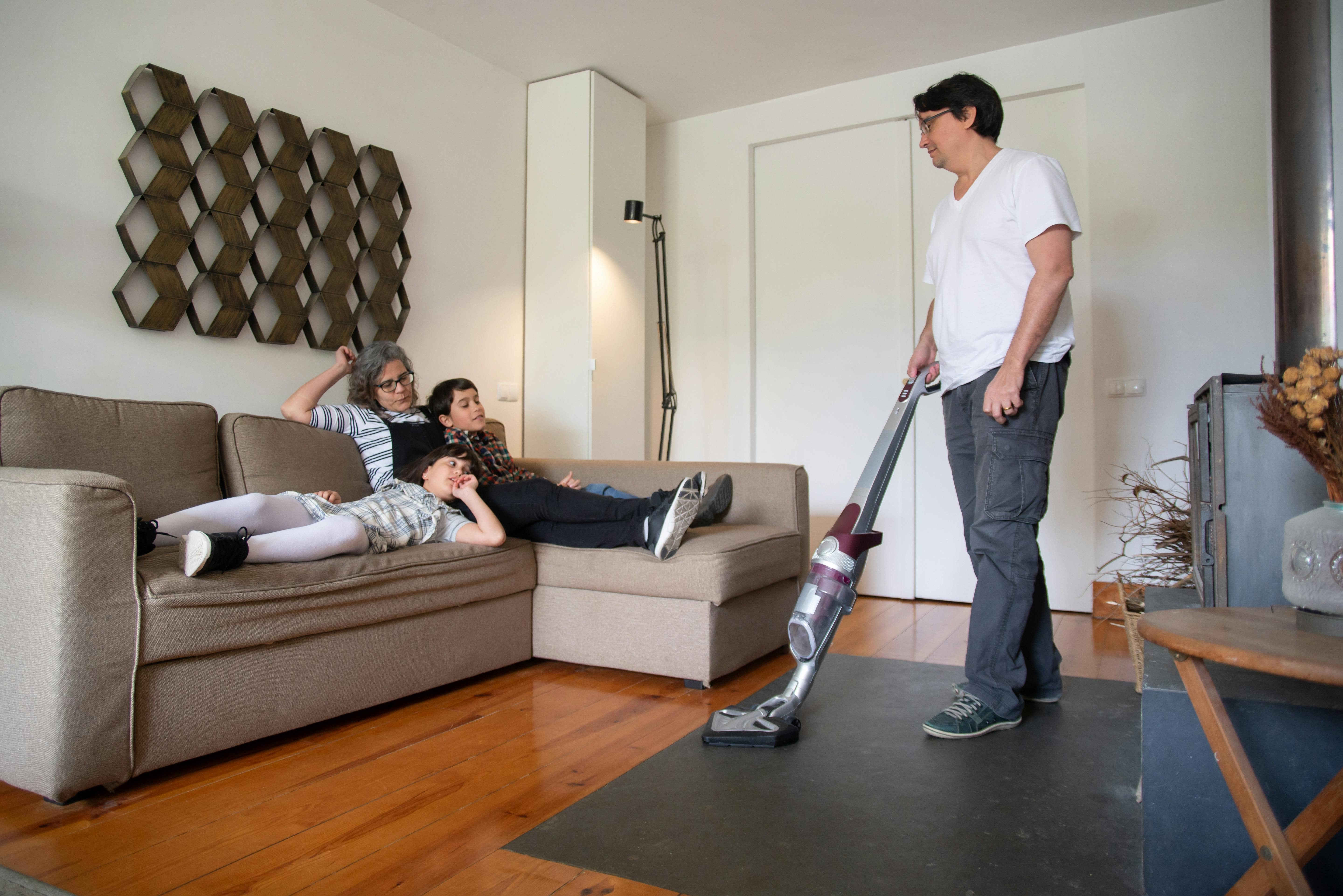
I also think small chores are easier for kids to absorb emotionally. A giant lecture about household responsibility feels overwhelming. A short habit connected to a familiar moment feels manageable. "After breakfast, put your bowl in the sink" is easy to understand. "Help me keep this house from becoming a disaster" is not.
That's really what routines do for kids. When a small task is attached to something they already do, getting dressed, finishing dinner, coming in from school, it becomes part of the flow instead of a separate ask. If they always put their pajamas in the hamper after getting dressed, it eventually stops being a reminder and just becomes what happens. No pep talk, no negotiation. Psychologist Peter Gollwitzer at NYU calls this "implementation intentions" which is linking a new behavior to an existing cue. His research found that this kind of if-then pairing dramatically increases follow-through compared to vague intentions alone.[^2]
Family Command Center
As an Amazon Associate KitQuest earns from qualifying purchases.
And yes, it takes time. There is a stage where every routine still requires reminders. That part can feel discouraging. But consistency pays off. Small chores repeated at the same point in the day eventually stop feeling like requests and start feeling like the normal order of things.
Breaking things into smaller tasks also means more actually gets done overall, even if it's spread across more days. A manageable workload is one people actually follow through on. A huge task that gets pushed off and never fully finished doesn't help anyone. Five smaller ones that each take ten minutes and get checked off, that's real progress. The goal isn't to clean the whole house in one go. It's to keep it from ever getting to that point again.
Small chores also teach children something important about adulthood: a good life is often maintained in little steps. Very few grown-up problems are solved by one heroic burst of effort. Most things improve through maintenance. Through noticing. Through tiny acts done consistently.
If you are trying to make family life smoother, I would not begin with a huge chore list. I would begin with three small anchors. Maybe one morning task, one after-school task, and one evening reset task. Keep them visible. Keep them simple. Repeat them until they feel normal.
You may be surprised by how much calmer the house feels when little things stop being left undone.
I still appreciate a good whole-house reset once in a while. But I don't rely on them anymore. Real peace in a family home usually comes from smaller rhythms. Small chores. Small expectations. Small repeated acts of contribution.
[^1]: Center on the Developing Child at Harvard University. InBrief: Executive Function: Skills for Life and Learning. 2012 (revised 2024). developingchild.harvard.edu
[^2]: Gollwitzer, P. M. (1999). Implementation intentions: Strong effects of simple plans. American Psychologist, 54(7), 493–503.
Sources
- Tepper, D. L., Howell, T. J., and Bennett, P. C. (2022). Executive functions and household chores: Does engagement in chores predict children's cognition? Australian Occupational Therapy Journal.
- Rossmann, M. M. (University of Minnesota). Involving children in household tasks: Is it worth the effort?
- Center on the Developing Child at Harvard University. InBrief: Executive function skills for life and learning.
Try KitQuest free
The family chore app behind these free resources: children earn points for chores, unlock achievements, and trade them for rewards you approve. Free for up to 2 children.
Get KitQuest free →