
How Chores Teach Delayed Gratification
Why doing responsibilities before fun builds self-control that lasts
A mom's reflection on why doing small responsibilities before fun is one of the most valuable habits kids can learn.
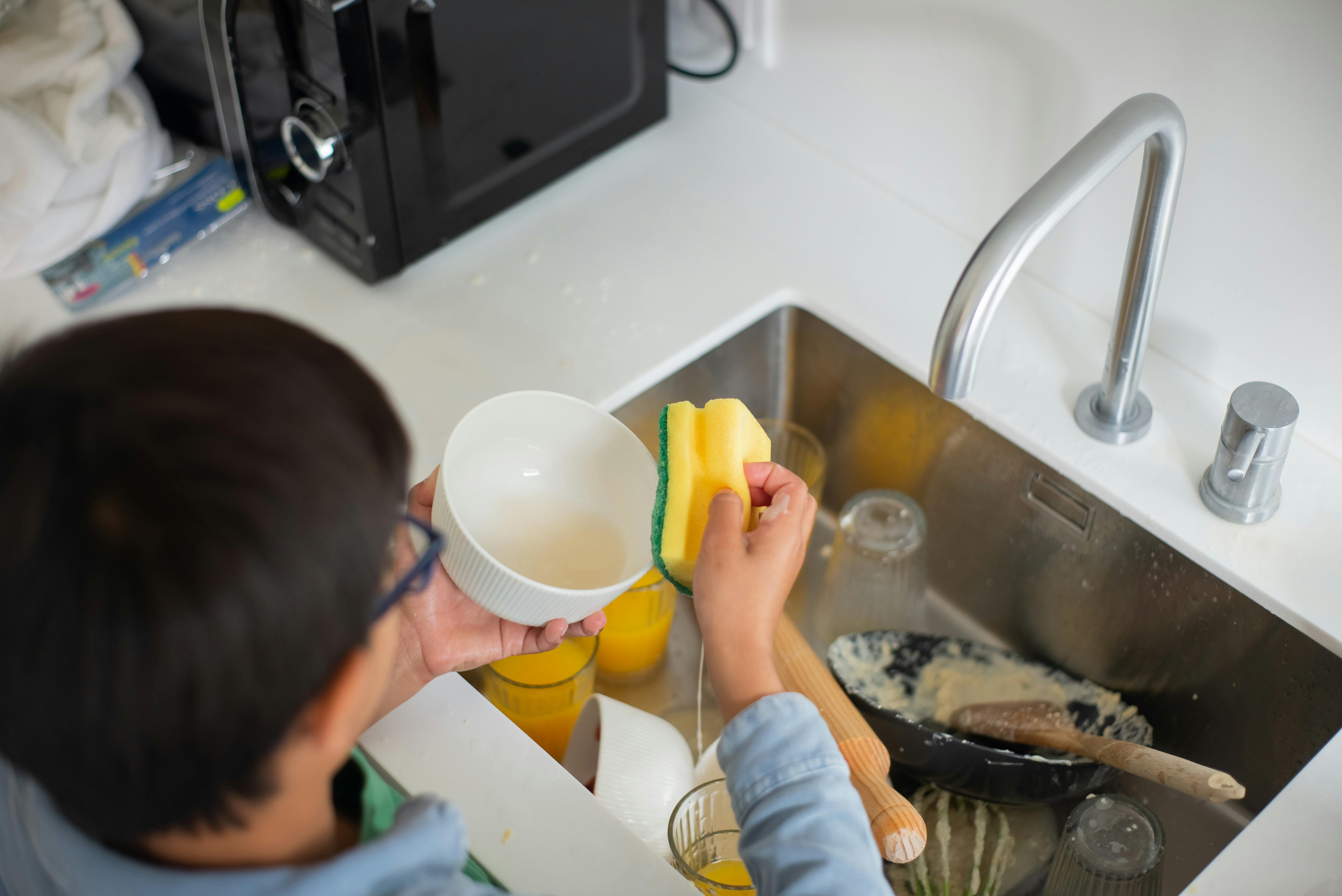
How Chores Teach Delayed Gratification
If there's one thing kids are reliably good at, it's knowing exactly what they want to do and heading straight for it. Outside before the jacket is on. Tablet before breakfast is finished or heading off to a friend's house before the dog gets fed. That pull toward whatever sounds most fun right now is completely natural, and everyone has to manage it, even adults.
I've come to think chores are one of the more underrated ways to help with that. Not in the sense of forcing kids to sit with something miserable, but in the sense of giving them a repeatable routine where the necessary thing comes before the fun thing, and eventually they figure out on their own that this order actually works better for them.
That's where delayed gratification shows up in daily life. Not in big willpower moments, but in small ones. Feed the dog, then go outside. Clear the table, then get dessert. Finish the bedroom, then pick up the screen. The sequence teaches itself over time, which is a much gentler way for kids to build self-control than any amount of explaining ever achieves.
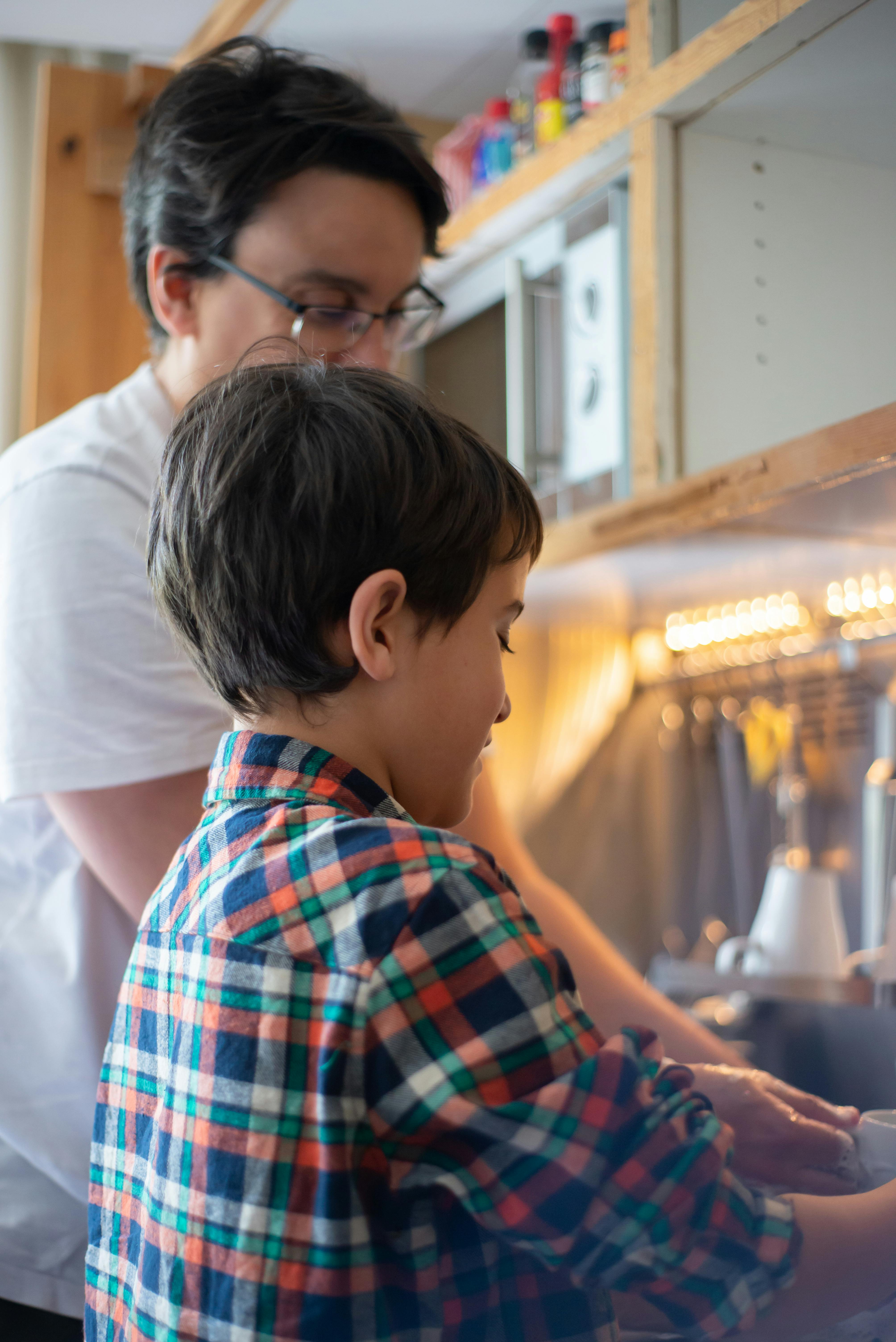
The research on this has been pretty consistent. A 2022 study published in the Australian Occupational Therapy Journal found that children who regularly did household chores showed stronger working memory and better inhibitory control than those who didn't. The researchers looked specifically at tasks like preparing simple meals and cleaning up after themselves, and found that even these low-key chores predicted meaningful improvements in cognitive self-regulation. A 2024 systematic review in the Journal of Family Theory and Review found that consistent routines at around two and a half years old were linked to better delayed gratification by age five. The mechanism isn't a lesson being taught. It's a pattern being repeated.
The most well-known research on this topic is probably Walter Mischel's work at Stanford, which began in the late 1960s. Children were offered one marshmallow now or two marshmallows if they could wait fifteen minutes. The kids who waited showed better outcomes in school, health, and relationships for decades afterward. More recent researchers have pointed out that the ability to wait is shaped heavily by how much kids trust their environment and the adults in it, not just some fixed personality trait. That's actually useful to know as a parent, because it means consistency matters more than pressure. Kids who trust that the routine is predictable and the reward is real are much more likely to work with it.
Money & Allowance Helpers
As an Amazon Associate KitQuest earns from qualifying purchases.
That's part of why chores land differently when they're just part of how the day goes rather than something that shows up as a punishment or a surprise. When the routine is calm and predictable, kids start to internalize the logic of it. They stop seeing the chore as the thing standing between them and what they actually want, and start treating it as just the thing that happens before the next part of the day. That shift is gradual, and quiet, but it adds up.
It also helps that the stakes in daily chores are low. If a kid drags their feet making the bed, nothing catastrophic happens. But they do notice, over time, that the room feels better when it's done, or that the evening runs smoother when the kitchen is picked up. They're probably not going to volunteer that observation, but somewhere in the back of their mind they're making a connection between getting the required stuff done and the rest of the day feeling easier. Getting it done first stops feeling like a sacrifice and starts feeling like just the right order of things.
If there's a lot of resistance at home right now, starting smaller than you think necessary usually helps. One task before one activity. Keep the sequence simple and stay consistent with it. Kids get very good at patterns once they're established, and a lot of the pushback you're dealing with is the friction of something being new, not evidence that the approach won't eventually take hold.
Most parents find that the resistance settles over time. Kids stop treating chores like a negotiation and start expecting them as part of how things go. That might not look like a big win from the outside, but it's actually the whole point of the exercise.
That routine piece is a big part of why we built KitQuest. The app lets parents set up chores that repeat on a daily or weekly schedule, so the sequence stays consistent without having to rebuild it from scratch every morning. When kids complete their tasks, they earn points they can redeem for rewards the family sets together, whether that's a favorite snack, extra screen time, or a bigger experience they've been saving up for. There are also achievements to unlock and experience points that let them level up over time, which gives the whole thing a bit of a game feel. It keeps kids engaged with the routine without taking away the real-world value of building the habit. If that sounds like something your family could use, you can learn more at kitquest.net.
Sources
- Tepper, D. L., Howell, T. J., and Bennett, P. C. (2022). Executive functions and household chores: Does engagement in chores predict children's cognition? Australian Occupational Therapy Journal.
- Selman, R. L., et al. (2024). Routines and child development: A systematic review. Journal of Family Theory and Review.
- Mischel, W., et al. (1989). Delay of gratification in children. Science, 244(4907), 933-938.