
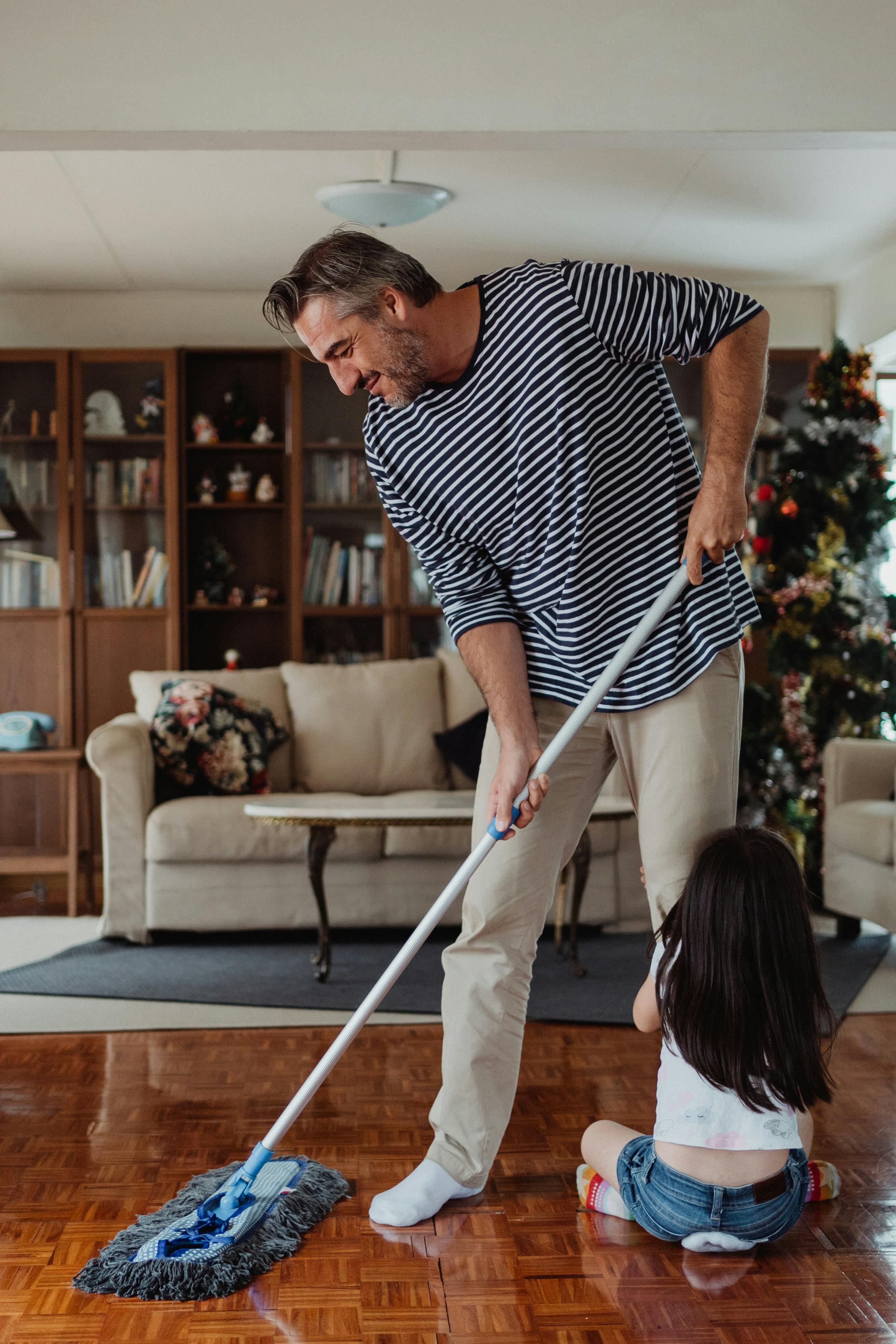
When I first started asking my kids to help around the house, I was mostly thinking about survival. I wanted the toys picked up, the shoes off the stairs, and the cereal bowls out of the living room before I lost my mind. What I did not fully appreciate at the time was that chores were doing something bigger than helping me keep the house from falling apart.
Chores were teaching my kids how to live.
That sounds dramatic, but I believe it now with my whole heart. Every time a child puts laundry in a basket, clears a plate, feeds a pet, or remembers to wipe down the bathroom sink, they are practicing something much bigger than the task itself. They are learning that they belong to a family, that they can contribute, and that their actions affect the people around them.
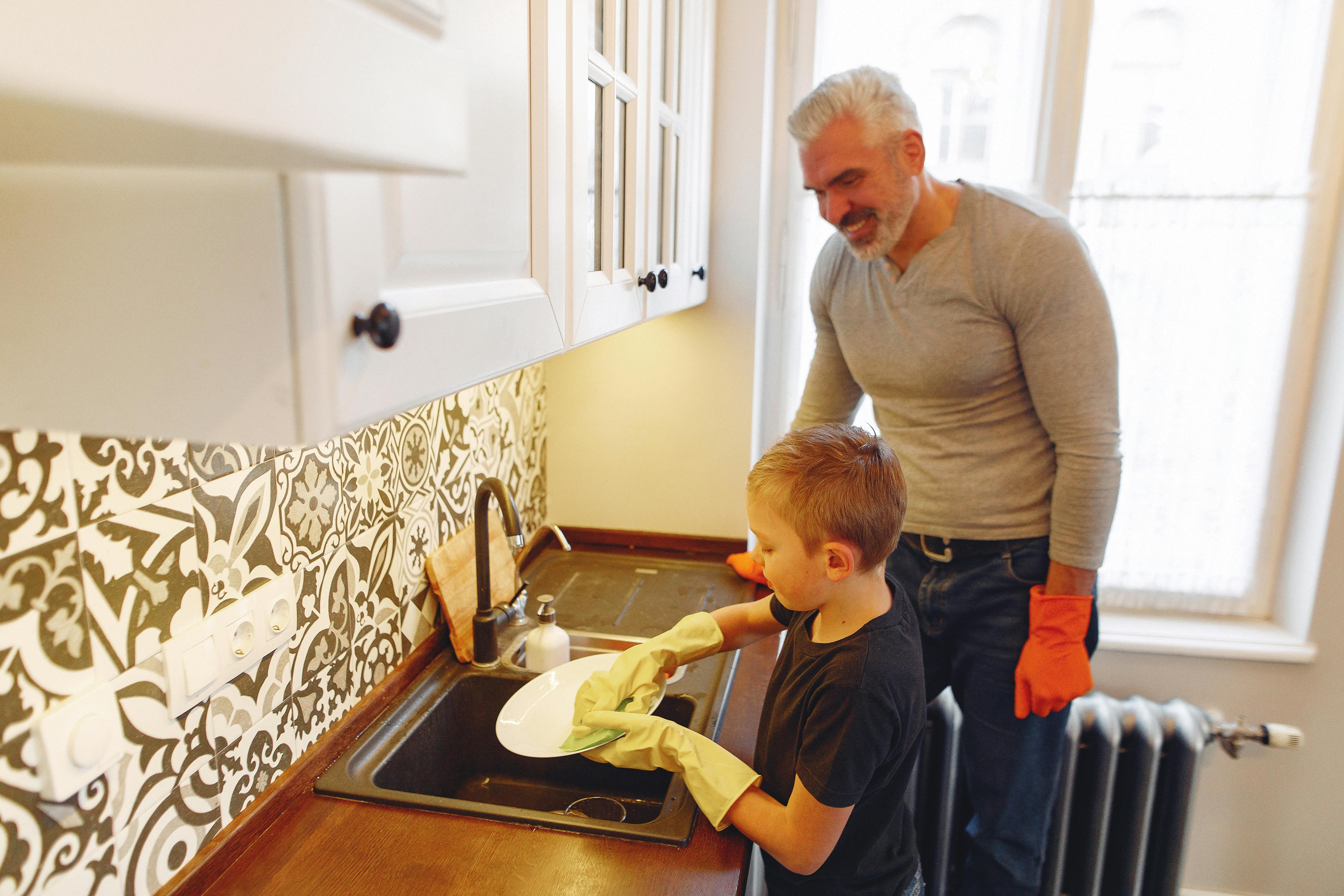
That is not a small lesson. That is the beginning of responsibility.
As moms and dads, we often feel pressure to make childhood magical, calm, and full of opportunities. I am all for that. But I also think we sometimes forget that one of the greatest gifts we can give our children is usefulness. Kids feel better when they know they are capable. They feel steadier when they know what is expected. They grow in confidence when they can say, "I know how to do that."
That is why chores matter.
They teach delayed gratification. Not everything fun happens first. Sometimes you make the bed before you play. Sometimes you unload the dishwasher before screen time. That rhythm, doing what needs to be done before doing what you feel like doing, becomes incredibly valuable later in life. School demands it. Work demands it. Adulthood definitely demands it.
They also teach follow-through. Plenty of kids start things with enthusiasm. Fewer kids naturally finish them. Chores give children repeated, manageable opportunities to complete a task from beginning to end. Take out the trash. Put in a new bag. Wipe the lid. Done. That sense of completion matters. It wires something important into a child over time.
I have also seen chores build empathy in quiet ways. A child who helps set the table begins to notice when dinner is almost ready. A child who helps put away groceries starts to understand that meals do not magically appear. A child who helps sort laundry begins to see that clean clothes take effort. Chores make invisible work visible. That matters, especially in family life, where so much labor can go unnoticed.
The other reason I care so much about chores is this: they help children understand that being part of a family means participating in it. Not performing for praise every minute. Not earning a standing ovation for putting a cup in the sink. Participating. Contributing. Showing up.
I know that can sound old-fashioned, but I do not think it is. I think it is deeply modern to raise children who can take responsibility, notice what needs doing, and act without waiting to be begged.
That does not mean chore systems have to be harsh or joyless. In our house, I want chores to feel normal, not punishing. I want my kids to know they are capable, not constantly corrected. We use reminders, encouragement, and routines. We celebrate progress. We try to keep expectations clear. Some days it works beautifully. Some days I repeat myself five times before breakfast. That is parenting.
Still, I come back to the same belief: chores are not just about clean rooms or empty hampers. They are about raising children who can contribute, adapt, and carry responsibility with confidence.
That is why I will keep asking my kids to help. Not because I need tiny employees. Because I want capable future adults.