
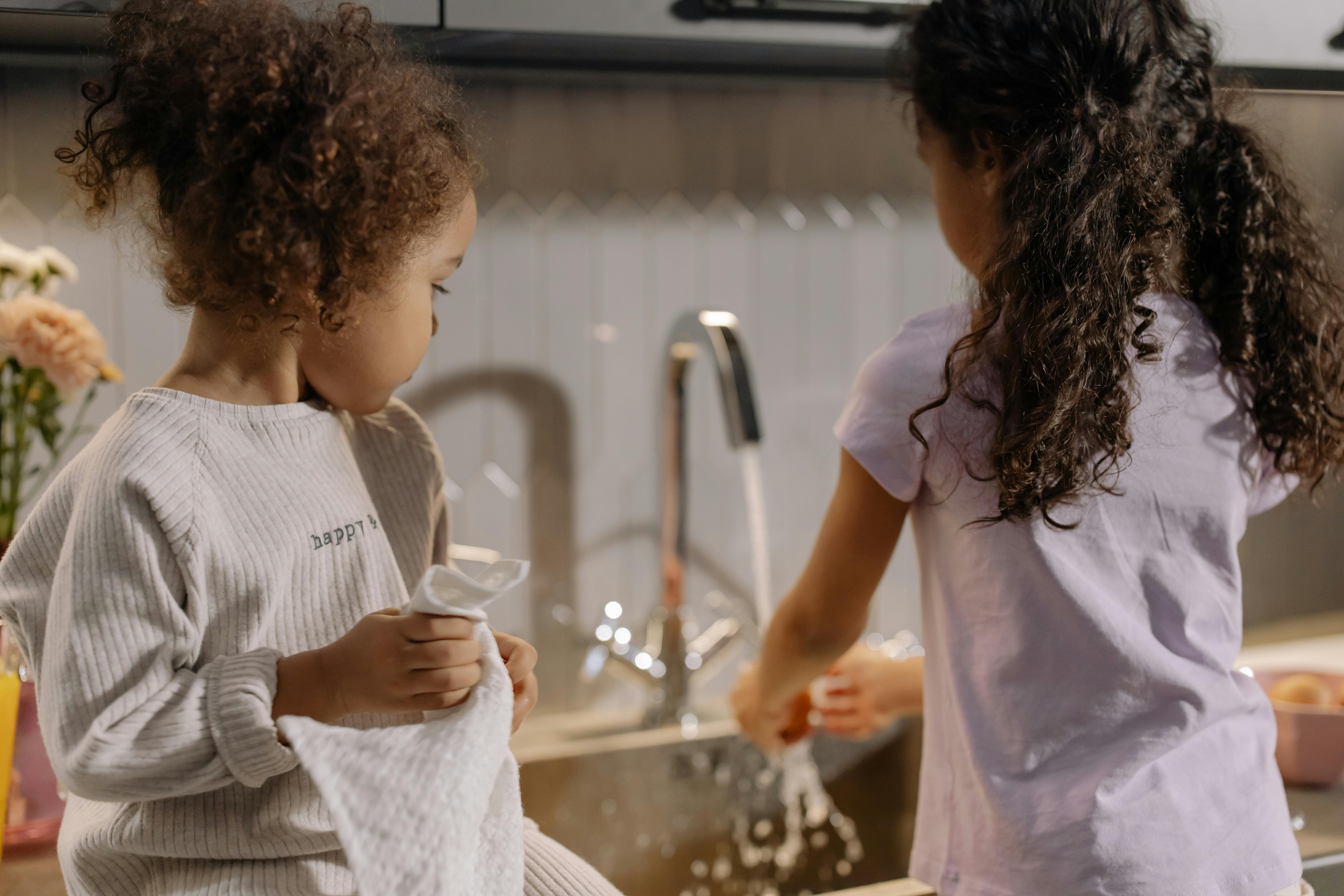
One of the fastest ways to make chores frustrating is to give a child the wrong job at the wrong time. If the task is too advanced, everyone ends up annoyed. If the task is too easy, it feels pointless. The sweet spot is finding chores that are realistic for your child's age, attention span, and maturity level, while still asking them to contribute in a meaningful way.
As a mom, I have learned that this matters more than the perfect chart, reward, or system. If the chore fits the child, the whole process goes better.
For younger kids, the best chores are concrete and visible. They need tasks where the beginning and end are obvious. "Clean the room" is too vague for many little kids. "Put the stuffed animals in the basket" is much better. "Wipe the table after snack" is easier to understand than "help in the kitchen." The clearer the task, the more likely a child is to succeed.
For preschoolers and early elementary kids, simple jobs like putting shoes away, placing dirty clothes in the hamper, matching socks, feeding a pet with supervision, clearing their plate, or wiping low surfaces can work well. These jobs are short, repetitive, and tied to daily life. That is exactly what you want.
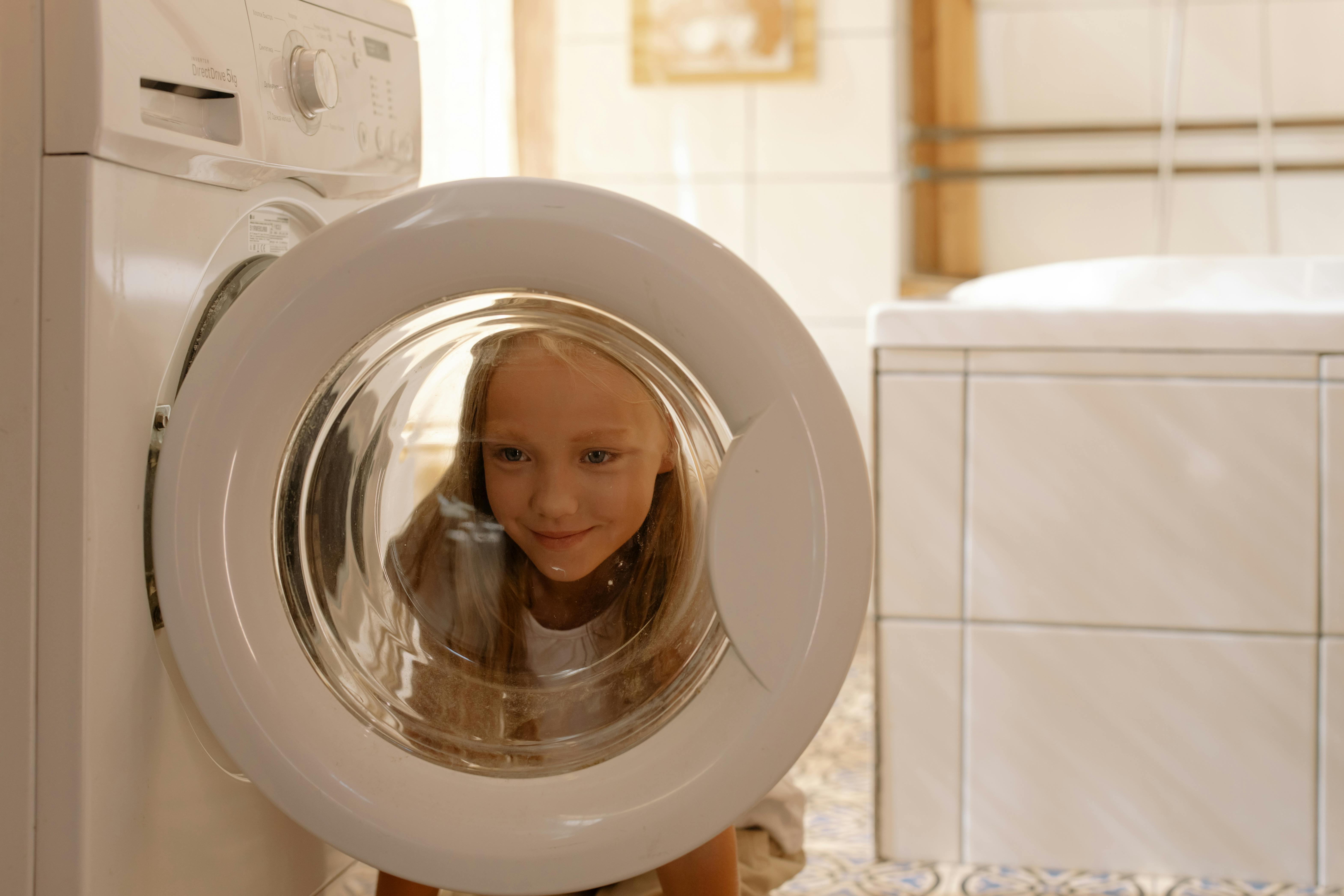
For older elementary kids, chores can start to involve more steps. They can help unload the dishwasher, fold towels, make their bed independently, take trash to the outside bin, sweep small spaces, and pack parts of their school bag. At this age, many children enjoy the feeling of being trusted with "real" household tasks. That trust can be motivating.
Middle school kids can do much more than we sometimes expect. They can vacuum, load and run the dishwasher properly, clean a bathroom sink and mirror, help prep simple food, do laundry with guidance, and manage regular pet care. The goal at this stage is not only participation. It is skill development. These are years when habits can solidify quickly.
Teenagers should absolutely know how to handle a serious share of family life. That does not mean they do everything, but it does mean they should be able to cook basic meals, wash laundry from start to finish, clean a bathroom, manage trash and recycling, keep their room functional, and help with younger siblings when appropriate. At some point, chores need to shift from "cute responsibility practice" to genuine life preparation.
The biggest mistake I see, including in my own house sometimes, is confusing inconvenience with inability. A child may complain. A child may forget. A child may roll their eyes with Olympic-level drama. None of that necessarily means the chore is too hard. It may simply mean they do not want to do it.
That is different.
Still, age-appropriate also means realistic. If your child has attention challenges, sensory sensitivities, or simply gets overwhelmed by multi-step tasks, you can break chores into smaller pieces. Instead of "clean the kitchen," assign "clear the table," then "load the cups," then "wipe the counter." Small wins still count.
Another thing that helps is pairing chores with routines. Morning chores work best when they are the same every day. Evening reset chores become easier when everyone does them at the same time. Kids do better when chores feel built into life, not randomly dropped on them like a surprise punishment.
I also think children benefit from having both personal chores and family chores. Personal chores teach self-management. Family chores teach contribution. Making your own bed is different from helping unload the groceries. Kids need both.
The right chore at the right age can do something powerful. It can make a child feel useful instead of micromanaged. It can make responsibility feel normal instead of overwhelming. And maybe best of all, it can help a parent stop carrying every tiny task alone.
If you are building a chore system, do not start by asking, "What should kids be doing by now?" Start by asking, "What can my child realistically learn next?"
That question usually leads somewhere much more helpful.